The Marche Roots of a Washington Institution
Fabio Trabocchi grew up in Le Marche, the quietly beautiful region on Italy's Adriatic side where the Apennines roll down toward the sea. It is a place of hand-rolled pasta, seafood from the coast and game from the hills — a larder that would later echo through the menus of his American restaurants. Today he is celebrated as one of the most accomplished Italian chefs working in the United States, with his home base in Washington, D.C.
His restaurants — among them Fiola, the waterside Fiola Mare, and the pasta-focused Sfoglina — have made him a defining figure of Italian dining in the American capital. Each expresses a different register of Italian cooking, but all share a common insistence: that Italian food, done properly, belongs in the conversation about the finest restaurants anywhere.
What the 'Elevated Table' Really Means
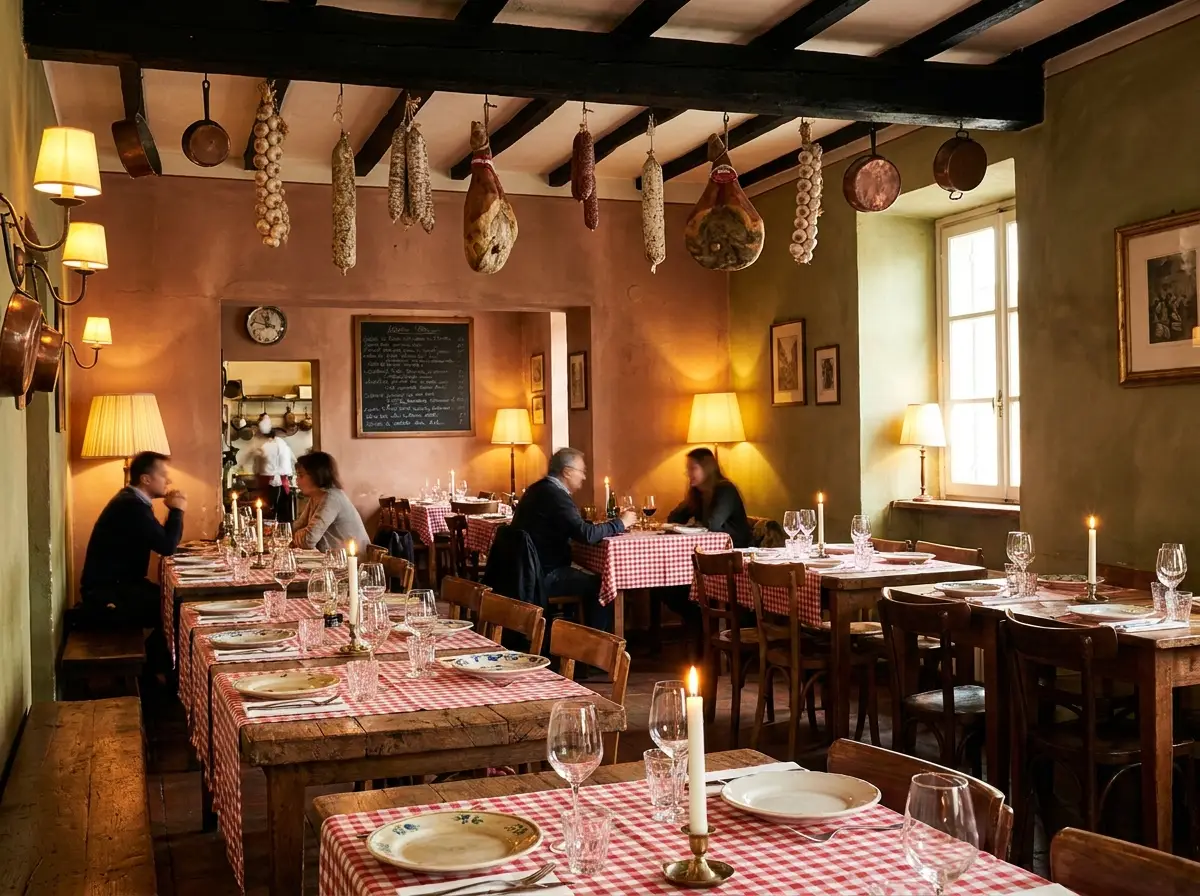
The theme MELIUS associates with Trabocchi — 'I Am for the Italian Elevated Table' — captures a conviction that runs through his work. For decades, Italian food abroad has fought a stubborn stereotype: hearty, generous and comforting, but somehow not serious; a cuisine of red-checked tablecloths rather than tasting menus.
Trabocchi has spent his career pushing against that stereotype. In the reading MELIUS takes of his cooking, he has long championed the idea that authenticity and refinement are not opposites. The elevated table he stands for is not about smothering Italian cooking in French technique or needless flourish; it is about giving the great regional dishes of Italy the sourcing, precision and setting they have always deserved.
Handmade Pasta as a Statement of Intent
Nowhere is that philosophy clearer than in his devotion to pasta. At Sfoglina, the very name nods to the sfoglina — the traditionally female artisans who hand-roll pasta dough — and the kitchen treats fresh pasta as a discipline worthy of a fine-dining kitchen rather than a rustic afterthought.
This matters to MELIUS because pasta is so often where authenticity is quietly lost abroad. Reducing it to a cheap, high-margin staple is the easiest compromise a restaurant can make. Trabocchi's insistence on the handmade — the rolling, cutting and shaping done in-house — is a statement that the elevated Italian table begins with the humblest ingredients treated with the greatest respect.
Refinement Without Losing the Soul
The risk in elevating any regional cuisine is that it becomes unrecognisable to the people who created it. Trabocchi's cooking largely avoids that trap. His plates remain legibly Italian — built on the seafood, pasta and seasonal produce of his native tradition — even as the technique and presentation reach fine-dining standards.
For an American audience, this has been quietly influential. It has helped shift the perception of Italian restaurants from a category of casual, familiar dining toward one capable of genuine occasion. That shift is precisely the territory MELIUS exists to map: restaurants abroad that honour Italian tradition while earning a place among the best tables in their cities.
A Model for Italian Dining Abroad
Trabocchi's career offers a template for what MELIUS hopes to celebrate across 100 countries: an Italian chef who left home, built something ambitious abroad, and refused to let distance dilute the cuisine. His restaurants demonstrate that the 'elevated table' is not a contradiction but a destination — one that authentic Italian cooking can reach without abandoning its origins.
As MELIUS scores and features Italian restaurants around the world, the standard Trabocchi represents is instructive: refinement earned through respect for tradition, not imposed on top of it. His is a case study in how Italian fine dining abroad can be both true to itself and worthy of the highest recognition.